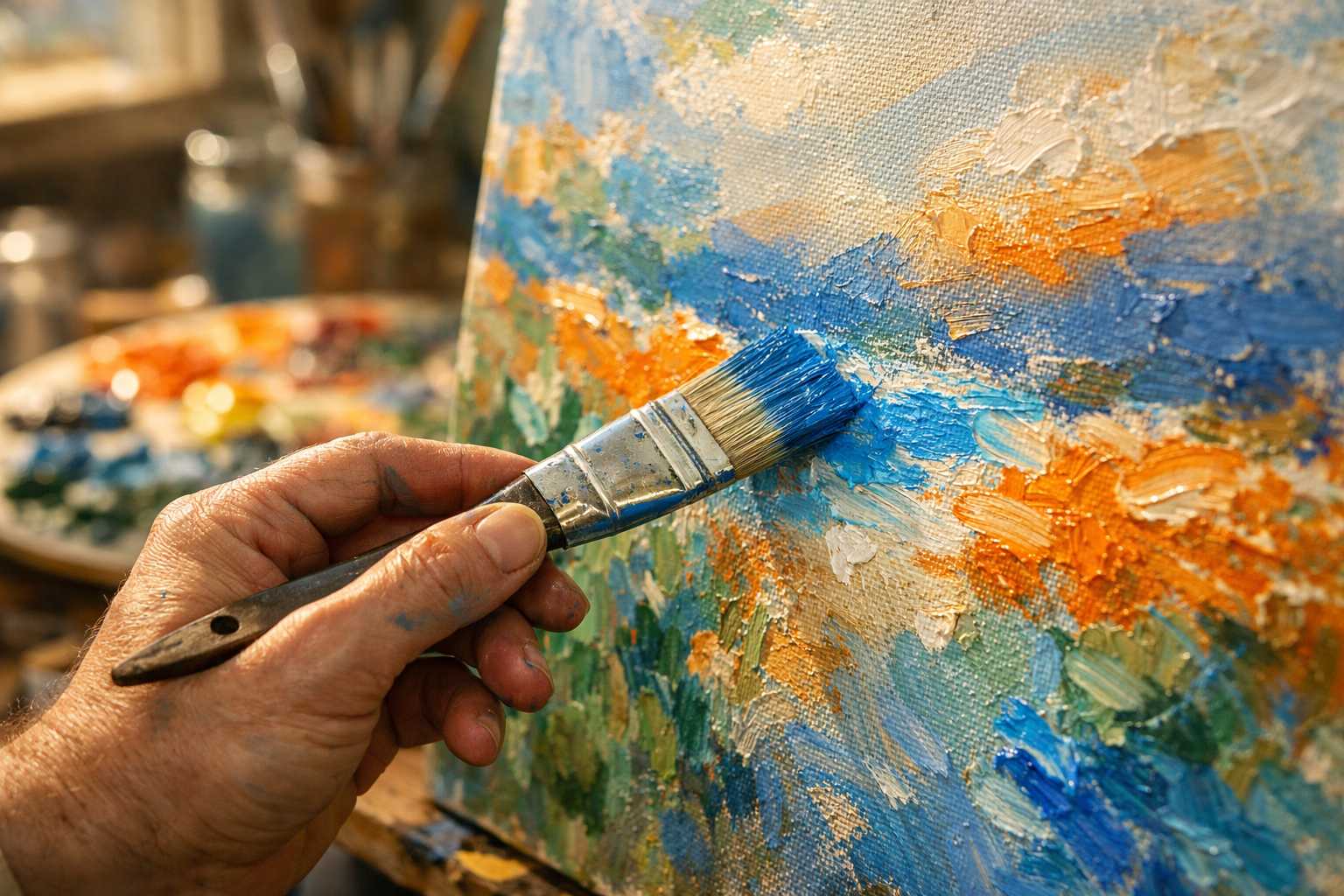
Are you an art lover who has ever looked at an impressionist painting and wondered about the techniques behind those breathtaking, fluid strokes of color? If so, you’re not alone. For many aspiring artists and art connoisseurs, the dream is to master the loose brushstroke technique employed by the Impressionists. Today, I am going to share with you everything you need to know to produce breathtaking impressionist-style paintings and enhance your artwork from static to striking.
Understanding Loose Brushstroke Techniques
The crux of an impressionist painting lies in its loose brushstrokes. These are fluid, passionate marks that effectively encapsulate light, motion, and sentiment. These are not meticulously crafted, controlled strokes; instead, they embrace in-the-moment spontaneity and allow the paint to flow organically across the canvas. These strokes form textures and foster visual intrigue, which miraculously breathe life into the paintings, making them an energetic spectacle.
Necessity Tools for Impressionist Brushwork
Selecting Appropriate Brushes
Flat brushes can prove quite efficient for loose brushwork as they can retain more paint and enable the creation of bold strokes. For finer detailing, round brushes are indispensably perfect. Lastly, fan brushes can do wonders in crafting excellent texture effects typically suitable for painting foliage and cloud formations.
The Significance of Paint Consistency
The secret for loose brushwork lies in the consistency of the paint: it should be creamy without being overly thick. If need be, add a slight amount of medium. While thicker paint can result in chunky strokes, thinner paint can flow excessively. Make sure to test the consistency on a spare canvas before proceeding. Remember, practice breeds perfection!
Fundamental Loose Brushstroke Methods
The Technique of Dry Brush
Load your brush with paint, wipe off the excess on a paper towel, and gently pull it across a textured canvas. This simple technique can deliver a broken color effect, perfect for surfaces such as tree bark or weathered materials. The trick here is not to apply too much pressure, but let the texture of the canvas work its magic.
Broken Color Technique
When different colors are placed adjacent to each other without being mixed, our eyes naturally do the blending. This technique can produce vibrant, lustrous effects, which were a favorite among the impressionist artists. Using complementary colors can have a significant impact. For instance, placing blues next to oranges can create captivating contrasts.
Scumbling Method
The scumbling method involves applying thin layers of paint on top of dry under-layers using soft, circular movements. This technique can create subtle atmospheric effects, perfect for painting skies or distant features. Ensure a light, playful touch as heavy pressure can undermine the overall effect.
Adding Motion to Your Brushstrokes
Emulate Natural Forms
The direction of brushstrokes should align with the natural movement of the subject. For example, use upward strokes when painting grass, mimic water rippling with horizontal strokes. The inclination of tree branches should naturally reach outward. Remember, your brushstrokes should embellish the subject’s natural charisma, not contradict it.
Apply Pressure Variations
A strong start that gradually becomes lighter can create exquisite tapered strokes. Heavier pressure can produce bold features, while lighter pressure can suggest intricate details. It’s wise to first practice pressure variations on a spare piece of paper.
Mixing Colors Directly on the Canvas
Blending Wet-on-Wet
Applying wet paint over another layer of wet paint can result in natural on-canvas color blending. This technique can create gentle, dreamy effects perfection for portraying clouds and delicate flower petals. It’s essential to work swiftly with this technique as you are playing against the drying time of the paint.
Playing with Color Temperatures
Warm colors have the tendency to move towards the viewers, while cool colors appear to sink into the background. Employing this principle allows you to create depth: a warmer foreground paired with a cooler background can strikingly heighten visual intrigue in your paintings.
Avoidable Mistakes
Over-embellishing Your Strokes
Detain yourself when the painting appears right. Overworking often saps the charm of a fresh painting. Rely on your initial instincts — more often than not, they’re accurate. Ensure you periodically step back to evaluate your progression.
Over-cautiousness
Confidence is key in loose brushwork; half-hearted strokes do no justice to your work. Each mark you make on canvas should exude boldness and command attention. Confidence is naturally cultivated over time through constant practice.
Overlooking Paint Quality
Inferior paint can adulterate the colors. Investing in high-grade materials pays off in the long run. Professional-grade paints offer better flow, resulting in more vibrant color mixes. Your tools indeed play a significant part in determining the outcome of your artistic endeavor.
Advanced Brushstroke Techniques
Loading Brushes Right
When loading your brush, it’s recommended to only submerge two-thirds of the bristles in the paint to maintain control. Wipe off any surplus paint on the edge of your palette to prevent sloppy marks and reload frequently for homogenous coverage.
Mastering the Flick Technique
Quick flicks of the wrist can deliver energetic marks, perfect for crafting grass texture or hair. Make sure to repeatedly practice this motion to develop muscle memory. Start slowly and gradually increase your pace.
Using Your Entire Arm
Embrace the whole arm for painting rather than just your wrist. This allows more fluidity and reduces the chances of hand fatigue. Easier when painting standing, this technique promotes free arm movement.
Exercises To Improve Your Brushwork
Regular Warm-up Strokes
Each day, reserve five minutes to practice different pressures and speeds. Fill your practice sheets with varied strokes without worrying about the picture perfect. Focus on honing muscle memory.
Try Replicating Masterpieces
Study the works of masters like Monet and Renoir, focusing on their brushwork and stroke directions. Attempt to copy small sections, without striving for exact reproduction, but with a focus on understanding their techniques.
Paint Basic Subjects
Start your journey with easily graspable subjects like apples or flowers, and gradually work your way up to more complex subjects. Take gradual steps to boost your confidence and don’t forget to document your progress with photos. You’ll be surprised to see how far you’ve come!
Gaining Confidence in Your Brushwork
Embrace Happy “Mishaps”
Occasionally, unwitting mistakes produce wonderful effects. Instead of instantly trying to correct these “errors,” consider leaving them. Unanticipated color mixes can be delightfully surprising. Always stay open to the unexpected.
Paint Consistently
Consistency outweighs intensity. Daily practice, even for a short span of 15 minutes, is more beneficial than weekend “art marathons.” Make painting an everyday habit, and keep your tools readily accessible for quick practice sessions.
Collaborate with Art Communities
Joining local or online artist communities can work wonders for your progress. Share your work to gather feedback. Online forums present opportunities to learn from others and gain inspiration. Don’t isolate yourself; learning is always more effective when done collectively.
Conclusion
Loose Brushstroke techniques convert mundane artwork into extraordinary masterpieces. They encapsulate life, motion, and emotion in a manner that tight brushwork just cannot replicate. But remember, the journey to mastering these techniques requires patience, time, and diligent practice. Don’t hold yourself to the standard of immediate perfection.
Begin with basic subjects and uncomplicated techniques. Gradually and confidently elevate your skills. Perhaps most importantly, enjoy your journey of painting. The joy and passion you echo while painting unquestionably transpire in your finished piece.
There is no predetermined, rigid path to carving out your unique style—it will naturally evolve as you explore these loose brushstroke techniques. Every artist’s story is distinctive and original, that’s indeed the beauty of art!
With this guide at your side, gather your brushes and set out on your creative journey. Your impressionist masterpiece awaits you!